
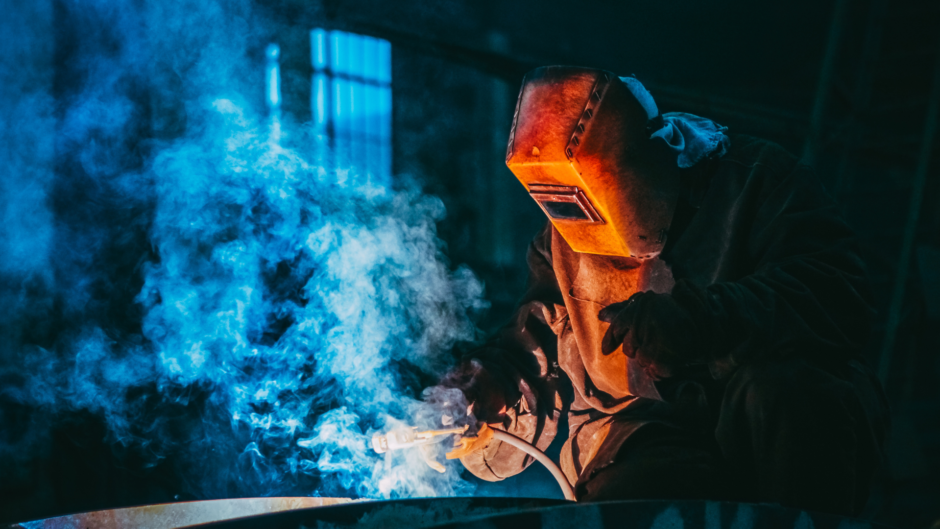
Welding is a serious trade that demands precision, skill, and—just as importantly—a deep respect for safety. While the rewards of creating durable, functional metal structures are clear, the risks associated with welding are equally real. This is where a strong focus on personal safety can make all the difference between a successful day’s work and an unfortunate incident. So, if you’re on a welding job, what steps should you take to protect yourself and work safely?
Understanding the Basics of Welding Safety
Before diving into the specifics, let’s start with the bigger picture: why is welding safety so crucial? Welding brings together high temperatures, intense light, and an array of gases and fumes. These are all manageable hazards, but only if you’re prepared. Think about it like this: every piece of equipment, every choice of material, and every safety measure you implement is a line of defense between you and potential hazards.
Now, every workplace has their particular set of common hazards, and it is their duty to inform and educate the workers on that. Additionally, it is their duty to ensure all health and safety laws are in place. In the unfortunate case of an injury due to your welding job, it is the duty of your company to compensate you for all the monetary and emotional costs incurred.
Welding, being a potentially dangerous job, has a higher chance of occurrence of accidents that can cause permanent disability in a particular body part. This is the case of Permanent Partial Disability (PPD). In the case of such an unfortunate accident, the worker can claim for PPD benefits from the company with the help of a permanent partial disability benefit attorney to cover the loss of income due to reduced ability at work. Hence, it is also important to understand your rights when it comes to receiving support if any unfortunate incident does happen.
Beyond individual workplace accidents, widespread exposure to harmful substances, such as PFAS chemicals, can lead to significant health issues across communities. These environmental contaminations often result in complex legal challenges, where many individuals seek compensation for severe health impacts like cancer or organ damage. Understanding the legal avenues available for such widespread harm, including class actions or individual claims, is crucial for affected parties. For those navigating these intricate legal landscapes, staying informed on mass torts and pfas case updates can provide valuable insights into potential settlement amounts and eligibility criteria. These cases often require extensive medical documentation and evidence of exposure to secure fair compensation.
Whether you’re a novice or a seasoned pro, prioritizing safety allows you to focus on producing quality work without unnecessary risk. Now, let’s get into the actionable steps you can take.
Tip 1: Start With a Quality Welding Machine
Investing in quality equipment is the foundation of welding safety. A high-grade welding machine can help minimise the chance of malfunctions, create more stable arcs, and produce reliable results. When choosing a machine, look for well-respected options in the market that are known for their durability and dependability, such as WIA welders. These machines are built to last and are known for their solid safety features, offering smoother arcs and advanced features that can enhance both performance and safety. A good machine not only makes your work easier but also prevents unexpected breakdowns or dangerous situations, like overheating or electrical surges.
Beyond general welding, specialized machines are crucial for specific applications. For instance, advanced fusion welding machines for thermoplastic pipes, used in gas, water, and industrial pipelines, demand exceptional precision and reliability. Companies like riyang welding offer a range of such equipment, including butt fusion and electrofusion machines. These are engineered for ease of use, ensuring high-quality, compliant welds that are vital for infrastructure safety and longevity.
Tip 2: Wear the Right Protective Gear
Let’s talk about personal protective equipment (PPE), which should never be an afterthought. Welding generates intense UV and IR radiation, not to mention sparks and hot metal spatter. The basic PPE kit for welding includes:
- Welding Helmet – Your helmet should have a dark lens to protect your eyes from harmful light, with auto-darkening models offering convenience and improved visibility.
- Welding Gloves – Heavy-duty, flame-resistant gloves are essential for shielding your hands from sparks and hot surfaces.
- Respiratory Protection – Welding can release harmful fumes, particularly when working with certain metals or coatings. Use a respirator if ventilation is limited.
- Welding Apron or Jacket – These garments, often made from leather or other flame-resistant materials, help to protect your body from sparks, heat, and minor splashes.
- Safety Boots – A solid pair of steel-toed boots with slip-resistant soles will protect your feet from heavy objects and ensure good footing on the job.
Investing in quality PPE is an upfront cost that pays off in protecting you from long-term health issues, such as skin burns, eye damage, and respiratory problems. Remember, PPE only works if you wear it consistently—no cutting corners.
Tip 3: Ensure Proper Ventilation
Welding produces fumes and gases that can be hazardous if inhaled over time. Therefore, good ventilation is not optional—it’s essential. If you’re working indoors, use exhaust fans or a local exhaust ventilation (LEV) system to draw fumes away from your breathing zone. For outdoor work, position yourself to avoid breathing in the smoke plume, as wind direction can affect where the fumes go. For particularly toxic fumes, like those produced by certain alloys or coatings, a respirator should be part of your standard gear. Remember, good ventilation protects not only your lungs but also your ability to stay focused and alert. In case you’ve been in contact with such toxic substances, consider reaching out to professionals for industrial accident compensation, and further support. They can ensure you are getting justice and the right compensation you deserve.
Tip 4: Be Aware of Your Workspace
A clean and organised workspace is more than just a tidy habit—it’s a significant part of welding safety. Keeping your workspace clear of clutter and flammable materials helps prevent accidents. Imagine needing to make a quick move to avoid a spark, only to trip over tools scattered across the floor. Ensure all cables, hoses, and tools are neatly arranged and easy to access without causing obstructions. Additionally, if your workspace includes multiple welders or equipment operators, maintain clear communication and visibility so that everyone is aware of each other’s movements and tasks.
Tip 5: Check Electrical Safety
Welding involves electricity, so electrical safety measures are critical. Make sure your welding machine is correctly grounded to prevent electrical shocks. Before starting work, inspect all cables, wires, and connectors for damage. Replace any worn-out components to avoid dangerous electrical shorts. Also, avoid welding in wet or damp areas to reduce the risk of shock. If possible, use equipment with built-in safety features that monitor for grounding issues or electrical surges. Electrical safety isn’t just about following steps; it’s about understanding how each component works to ensure you’re operating in a stable and safe environment.
Tip 6: Practice Safe Welding Techniques
Finally, knowing the safest techniques for the type of welding you’re doing can make a huge difference. For example, when you’re using stick welding, avoid touching the metal electrode or the metal parts of the holder with your bare skin. If you’re working with MIG or TIG welding, ensure your torch and workpiece connections are secure and well-maintained. Keep your body positioned to avoid fumes, and practice steady, controlled movements to keep the arc stable and the weld clean. The right technique not only produces better results but also keeps you in a safe, controlled position, minimising risk.
Putting Safety Into Action
Every welder knows that skill and practice are key to mastering their craft. But a true professional understands that safety is just as crucial to that mastery. After all, no amount of precision can make up for an accident that could have been avoided with a little extra care. By choosing quality equipment, wearing the right gear, and setting up a safe workspace, you’re building a safer, more productive environment for every job. Whether you’re just starting out or have years under your belt, these steps aren’t just routines—they’re investments in your own well-being. The result? A job well done, free from unnecessary risks, allowing you to focus on what you do best: creating and building with confidence.