

July 2025

What a Cancelled Shoot Can Teach You About Being Ready

You plan everything. The location’s booked, your gear’s charged, and you’ve double-checked your bag. Then, out of nowhere, the shoot gets cancelled. Maybe the weather turned bad. Maybe your subject got sick. Maybe the client just changed their mind.

At first, it feels like a waste of time. But cancelled shoots can actually teach you a lot. They remind you that no matter how much you prepare, some things are out of your control. What matters is how ready you are for when things don’t go to plan.

It’s Not Always Anyone’s Fault

Sometimes people blame themselves when things fall apart. But the truth is, cancellations happen for all kinds of reasons, and most of them aren’t personal. If you shoot outdoors, weather is a big one. You can’t control the rain. People also get sick, lose interest, or book too many things in one day and forget.

Knowing this helps you stress less when it happens. You can still feel disappointed—especially if you spent time or money getting ready—but it’s good to remember it’s normal. Professionals deal with this kind of stuff all the time. What really matters is what you do next.

Backup Plans Make You Look (and Feel) Pro

If you’re doing photography for money—or even as a serious hobby—you’ll run into situations where things get changed last minute. Having a plan for that makes you stand out.

You don’t need a huge system. Just basic things like:

  • Keeping a list of backup locations in case weather ruins your original one.
  • Saving extra time in your week so you can reschedule without rushing.
  • Asking questions early, like “What’s your rain plan?” or “Is there a backup date if something changes?”

These little things make you look prepared. And that helps build trust, even when the first shoot doesn’t go ahead.

Another part of being ready is knowing how to deal with costs if something breaks, even during a cancelled or rescheduled job. That’s where stuff like photography insurance can come in handy—especially if you’ve already moved gear or paid for rentals. It covers more than just your shoot day. It covers all the random things that go wrong around it.

Your Time Still Matters

A cancelled shoot doesn’t just mess with your schedule. It can throw off your whole week. You might’ve said no to other jobs. You might’ve gotten up early, traveled far, or spent time prepping gear and outfits.

Even though the shoot didn’t happen, your time still counts. That’s why a lot of photographers start using basic agreements—nothing fancy, just a message or form where both sides agree on what happens if plans change. Some people ask for a small deposit to hold the date, especially for bigger shoots. That way, if the job gets cancelled, you’re not left with nothing.

This isn’t about being strict—it’s about being fair. Your time matters, just like theirs does.

Learn What You Can, Then Move On

Every cancelled job teaches you something. Sometimes you learn what not to do. Maybe you forgot to check the weather forecast. Maybe you didn’t confirm the time clearly. Or maybe you said yes to someone who kept changing the plan too much.

But you can also learn what did work. Maybe your gear was fully packed and ready, which made cleanup easier. Maybe your calendar had enough space to shift things around. Those little wins count too.

The point is, don’t just forget about it and move on—take a minute to figure out what you’d do differently next time. That’s how you grow faster.

Keep It Professional, Even If You’re Frustrated

Cancelled shoots are annoying. You might feel like the person wasted your time. But how you respond says a lot about you.

Stay polite. Thank them for letting you know. If they want to reschedule, offer a few dates. If they don’t, wish them luck and keep it friendly. You never know—they might book with you again later or recommend you to someone else.

And if they cancelled in a way that was really disrespectful—like not showing up or giving no notice—you can still be calm. It’s okay to set boundaries. You can decide not to work with them again. But keeping it cool makes you look good, even when they don’t.

Being Ready Isn’t About Controlling Everything

You can’t control weather, people’s moods, or sudden changes. But you can be the kind of person who’s not thrown off by those things.

That’s what being prepared really means. It’s not about being perfect. It’s about staying flexible, staying organized, and making smart choices ahead of time so that when something changes, you don’t panic—you just adjust.

That mindset makes you better at your craft. And people notice it, even when the camera never comes out of the bag.

What to Take From a Cancelled Shoot

At first, it just feels like a missed chance. But if you stop and think about it, a cancelled shoot can show you how strong your systems are—or what needs to change.

Did you have a backup plan? Did you confirm the details clearly? Were you able to move on without everything falling apart? If yes, that’s a win. And if not, now you know what to work on.

The more prepared you are, the less these moments throw you off. So even when the photos don’t happen, the learning still does.

How to Set Short-Term Goals: A Practical Guide for Achieving Immediate Success

Setting short-term goals is a powerful strategy that can significantly enhance an individual’s success. By breaking down larger aspirations into manageable, time-bound objectives, one can maintain focus and motivation. These goals serve as stepping stones, guiding individuals through their journey while providing measurable milestones to celebrate along the way.

Establishing effective short-term goals requires clarity and specificity. Instead of vague intentions, successful goal setting involves defining clear actions and outcomes. This approach not only fosters a sense of achievement but also builds confidence as progress is made.

Incorporating short-term goals into a larger plan ensures that the path to success remains clear and achievable. With the right mindset and tools, anyone can master the art of goal setting and pave the way toward their long-term aspirations.

Understanding Short-Term Goals

Short-term goals are essential for achieving immediate objectives that contribute to broader ambitions. They provide focus, clarity, and a structured path forward. These goals help maintain motivation and enable measurable achievement over shorter timeframes.

The Importance of Short-Term Goals

Short-term goals act as stepping stones toward long-term aspirations. They break larger objectives into manageable pieces, making achievement more feasible. By setting specific short-term goals, individuals can measure progress and adjust their strategies as needed.

This iterative process fosters accountability and boosts confidence. Each completed goal reinforces commitment and offers a tangible sense of accomplishment. Identifying short-term milestones creates urgency, encouraging consistent effort and focus.

Short vs. Long-Term Goals

Understanding the distinction between short-term and long-term goals is crucial. Short-term goals typically span days, weeks, or months. Long-term goals may cover years or a lifetime.

Short-term goals are more specific and actionable, allowing for immediate impact. Long-term goals provide the vision and overarching direction. While short-term goals are critical for maintaining progress, they should align with long-term aspirations to ensure cohesion in one’s efforts.

Characteristics of Effective Short-Term Goals

Effective short-term goals share specific characteristics. They should be specific, measurable, achievable, relevant, and time-bound (SMART).

  • Specific: Goals need clarity to avoid ambiguity.
  • Measurable: Establish metrics to track progress.
  • Achievable: Goals must be realistic and attainable.
  • Relevant: Ensure alignment with broader ambitions.
  • Time-bound: Set deadlines for accountability.

By incorporating these traits, individuals can craft short-term goals that enhance focus and motivation. Their clarity aids in decision-making, guiding actions toward desired achievements.

Setting Your Short-Term Goals

Establishing effective short-term goals requires a structured approach. Setting specific and attainable criteria allows for better tracking and accomplishment of these goals. A clear framework will enhance focus and motivation.

Implementing SMART Goals Framework

Using the SMART criteria is essential for crafting short-term goals. SMART stands for Specific, Measurable, Achievable, Relevant, and Time-bound.

  • Specific: Clearly define the goal. Instead of saying “get fit,” state “exercise for 30 minutes five times a week.”
  • Measurable: Quantify the goal. This helps track progress effectively.
  • Achievable: Ensure the goal is realistic, considering available resources and time.
  • Relevant: Align the goal with broader life objectives.
  • Time-bound: Set deadlines to create urgency.

Applying this framework allows individuals to prioritize their efforts and maintain focus.

Defining Clear Outcomes

Clear outcomes provide a target to aim for when setting short-term goals. Identifying what success looks like simplifies direction and motivation.

When defining outcomes:

  • Utilize action verbs to describe accomplishments, such as “complete,” “achieve,” or “finish.”
  • Specify the criteria for success to avoid ambiguity.
  • Consider potential barriers and address them to minimize setbacks.

Documenting desired outcomes creates accountability while ensuring that focus remains sharp.

Organizational Strategies for Goal Setting

Organizational strategies help streamline the process of setting and achieving short-term goals. Effective techniques include:

  • Prioritization: Rank goals based on importance and deadlines.
  • Visualization: Create a visual board or list to display goals prominently.
  • Checklists: Break down goals into smaller tasks. This allows for tangible steps.

Regular review and adjustment of goals keep them relevant and aligned with changing circumstances. Using tools like calendars or project management software can enhance organization and tracking.

Executing and Adjusting Your Goals

Executing short-term goals requires a focus on accountability, productivity, and the ability to adapt as needed. Tracking progress and remaining flexible ensures that one can respond to changes effectively while maintaining a clear direction.

Staying Accountable and Productive

Accountability is key to maintaining motivation. Establishing a system of accountability often involves sharing goals with others or working with a partner. Regular check-ins can help provide feedback and encouragement.

Utilizing productivity tools can aid in staying organized. Tools may include to-do lists, digital planners, or goal-tracking apps. Setting specific deadlines within the timeline encourages a sense of urgency that can boost productivity.

Creating reminders and milestones along the way can reinforce commitment. These strategies help in keeping the focus on the goals and can make it easier to track progress.

Flexibility and Adaptation

Flexibility allows individuals to adjust goals as circumstances change. Life can be unpredictable; therefore, maintaining a mindset open to adjustments can significantly enhance success.

Identifying key indicators that suggest a need for adjustment is crucial. Reflecting on progress regularly lets one determine if goals remain relevant or need modification.

When faced with obstacles, it’s important to reassess strategies without abandoning the goal. Instead of losing motivation, adapting plans can keep the momentum going even when challenges arise.

Measuring Success Through Metrics

Defining clear metrics to measure progress helps in tracking goal achievement. Specific metrics allow for an objective evaluation of how close one is to reaching their goals.

Setting quantitative measures, such as numbers or percentages, provides clarity. For example, aiming to complete a certain number of tasks per week creates a tangible target.

Regular assessments against these metrics enhance self-efficacy. Recognizing small wins can build confidence and boost motivation, making it easier to stay on track toward achieving overall objectives.

Leveraging Short-Term Goals for Long-Term Success

Short-term goals serve as critical stepping stones that enhance commitment and achievement towards larger aspirations. By effectively setting and tracking these goals, individuals can build momentum, align their objectives with overarching visions, and foster personal development.

Building Momentum with Short-Term Wins

Short-term goals create quick opportunities for success. Achieving these smaller objectives reinforces belief in one’s capabilities. It generates positive momentum that can propel individuals toward their long-term goals.

For example, a professional aiming for a promotion might start by enhancing specific skills or completing minor projects. Each completed task boosts confidence and motivates further action. This cycle of achievement helps maintain focus and determination in pursuit of greater ambitions.

Aligning Short-Term Goals with Long-Term Visions

Connecting short-term goals to long-term visions ensures clarity and direction. Each short-term objective should support the larger outcome, working like incremental puzzle pieces building a complete picture.

Creating a roadmap can help visualize this alignment. Individuals can break down their long-term goals into defined, measurable, short-term milestones. Regularly assessing progress keeps them oriented and aids in adjusting strategies as necessary.

Personal Development Through Goal Achievement

Achieving short-term goals inherently promotes personal development. It fosters skills such as time management, discipline, and resilience. Each accomplishment cultivates a mindset geared toward growth.

Engaging in reflective practices after each goal is reached can further enhance this development. Individuals can evaluate what worked, what didn’t, and how they might approach future challenges. This continuous learning process nurtures a deeper self-awareness and aspirational belief, bolstering success over time.

Why Commercial Boilers Need More Love Than You Think

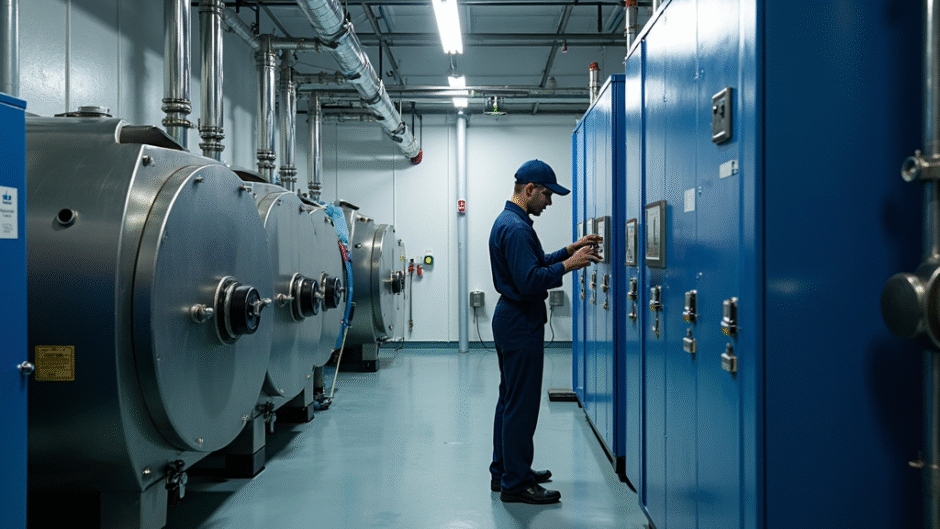
Commercial boilers work hard every single day. They quietly heat schools, offices, cafes, hospitals, and all kinds of buildings without anyone really noticing. Most of the time, they do their job without a fuss. But when they stop working, it becomes a big problem. Suddenly, the whole building is cold, there is no hot water, and everything feels stressful. That is why looking after commercial boilers matters way more than most people think.

It is easy to forget about them when they are running smoothly. The heat comes on, the hot water works, and everyone stays comfortable. But the truth is, boilers need care and attention to keep doing that. If they are ignored for too long, problems start building up. A small issue can quickly turn into an expensive, inconvenient disaster that shuts down a whole business for the day or even longer.

What Makes Commercial Boilers So Important

Boilers are not just sitting in the background for fun. They play a huge role in keeping businesses running. Imagine a café with no hot water or a school with freezing classrooms. Those are the kinds of problems that happen when a boiler breaks down.

In big spaces, heating systems have to work extra hard. It takes a lot more power to keep a whole office block or restaurant warm compared to a small home. Boilers heat water for sinks, showers, and heating systems across large areas. Without them, places can’t stay open properly. Customers leave, workers get frustrated, and the whole day gets thrown off.

That is why regular care is a smart idea. In places like Canberra, it is even more important to stay on top of maintenance. Winters can get chilly, and no one wants to deal with a broken-down boiler when it is freezing outside. Services that can deal with a Commercial Boiler and Burner Canberra make it easy for businesses to get their systems checked and repaired before small issues grow into something worse.

Why Boilers Break Down More Than People Realise

Boilers might seem tough, but they are full of moving parts that can wear out. There are pumps, valves, pipes, burners, and other pieces that all need to work together. Over time, dirt builds up, parts loosen, and systems can start to struggle.

Old boilers are even more at risk. Heating systems do not last forever. As they get older, they become less efficient and more likely to break down. Sometimes, people keep using them until they completely stop working, but that can cost way more money in repairs and energy bills than replacing them earlier.

Bad weather can also cause problems. When it is freezing outside, boilers have to work even harder to keep everything warm. If they are not ready for that extra pressure, something can snap, break, or stop working altogether.

Signs a Boiler Needs Attention

A lot of boiler problems start small. The tricky part is that they often go unnoticed until they turn into a bigger issue. Paying attention to early signs helps avoid those expensive breakdowns.

Strange noises coming from the boiler are one of the first clues. If there is banging, clanking, or hissing sounds, that usually means something inside is loose, clogged, or struggling. It is not normal, and it never gets better by itself.

If heating or hot water takes longer than usual, that is another warning sign. Boilers that used to work quickly but now seem slow might be losing efficiency or dealing with internal problems.

Higher energy bills can also be a clue. When a boiler is not working properly, it often uses more power to do the same job. That shows up as higher bills, even if nothing else in the building has changed.

Leaks, low water pressure, or cold spots in the building are other signs to watch out for. These small things might not seem like much at first, but they often point to bigger issues inside the system.

Why Regular Maintenance Saves Money and Stress

Boiler maintenance is not just about avoiding breakdowns. It also helps businesses save money and run more smoothly. Well-maintained boilers use less energy, last longer, and are less likely to fail when they are needed most.

Experts can catch small problems early. They clean out dirt, check for worn parts, and make sure the whole system is running safely. That keeps the boiler working at its best, which means lower energy bills and fewer surprise repairs.

Regular servicing also helps keep people safe. Boilers that are not looked after properly can develop dangerous problems. Gas leaks, pressure issues, or faulty parts can cause serious risks. That is why professional checks are important, especially in places where lots of people work or visit every day.

For businesses, getting expert help is easy. Local services make it simple to book checks, repairs, or even replacements when needed. That means businesses can keep running smoothly without the stress of last-minute emergencies.

When It Is Time to Replace a Boiler

No boiler lasts forever. Most commercial boilers work well for around 10 to 15 years, but after that, they start to slow down. Repairs become more common, energy bills creep up, and the system struggles to heat the building properly.

If a boiler keeps breaking down or costs a lot to run, replacing it might be the best choice. Newer boilers are more efficient, reliable, and cheaper to run over time. They heat water faster, use less energy, and are designed to handle the demands of large spaces.

Upgrading a boiler might seem like a big expense at first, but it often saves money in the long run. It also means fewer breakdowns, less stress, and a more comfortable space for workers, customers, or visitors.

Why Boilers Should Not Be Ignored

It is easy to forget about commercial boilers when everything seems fine. But ignoring them can lead to expensive repairs, unhappy customers, and even dangerous situations. Regular care keeps them running safely and smoothly.

Boilers work hard behind the scenes to keep businesses warm and comfortable. They deserve more attention than they get. A little extra care can save a lot of money, avoid stressful breakdowns, and help businesses stay open no matter the weather.

The smart move is to stay ahead of problems. Booking regular checks, watching for signs of trouble, and upgrading when the time is right keeps everything running smoothly. That way, there is no need to worry about heating emergencies or cold, unhappy customers. It keeps life simple, warm, and stress-free for everyone.