
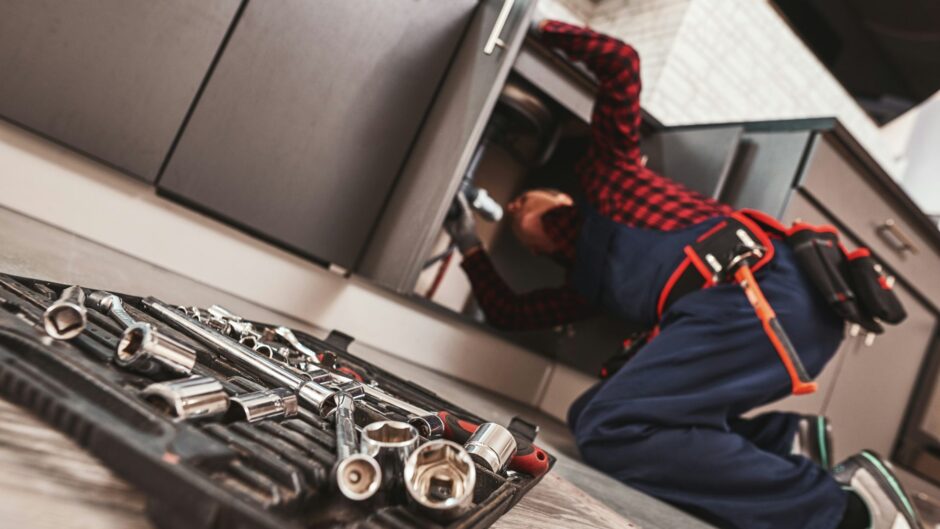
When we think about what keeps a care home running safely and smoothly, we usually picture the carers, nurses, and staff on the floor. They’re the face of day-to-day support. But behind the scenes, there’s another group of professionals doing work that’s just as essential – plumbers.
Their role might not be front and centre, but the systems they install and maintain directly affect residents’ health and well-being. From safe water to hygienic waste systems, plumbing has a huge impact on the standards of care.
Safe Water Systems Are Essential
In any care environment, water safety isn’t just a maintenance concern, it’s a health priority. Vulnerable residents, especially the elderly or immunocompromised, are more at risk from bacteria that can grow in poorly managed systems.
Legionella is a big one. This bacteria thrives in stagnant or lukewarm water and can cause serious illness. So it’s not enough for taps and showers to simply work. Plumbers have to make sure water is consistently flowing, regularly heated to the right temperature, and stored in systems designed to prevent bacterial build-up.
That’s why choosing the right professional matters. A qualified plumber servicing aged care facilities Auckland understands these risks and knows how to set up and maintain water systems that meet strict health standards. They don’t just install – they assess, test, and monitor regularly to keep water safe and reliable.
There’s also the risk of cross-contamination. Without proper protection, dirty water can backflow into clean supplies, which can be a serious health hazard. Plumbers install the valves and safeguards that stop that from happening. It’s highly technical work, but it’s also directly connected to resident safety.
Small Fixtures, Big Impact
Every sink, tap, and toilet in a care home plays a role in hygiene, and they all need to be fully functional, easy to clean, and safe to use. That might sound straightforward, but in reality, it takes careful planning and regular upkeep.
Imagine a toilet backing up in a shared bathroom, or a sink that doesn’t drain properly. In a care setting, those issues aren’t just unpleasant; they can interrupt infection control routines, increase fall risks, and create unsanitary conditions quickly.
This is where plumbers make a real difference. They’re not just responding to problems. They’re anticipating them, checking systems for wear and tear, making sure drainage is working properly, and advising when fixtures need upgrading.
And in settings where equipment gets a lot of daily use, that kind of preventative care isn’t a nice-to-have. It’s vital.
Supporting Infection Control
Care homes have strict hygiene protocols for a reason. Infection spreads fast in these environments, and once it does, it’s hard to contain. While cleaning staff and carers manage surface-level hygiene, plumbing helps create the infrastructure that supports those efforts.
Take handwashing, for example. It’s one of the simplest and most effective ways to stop the spread of illness. But it only works if sinks are placed in the right locations, water flows reliably, and taps are easy to use. Plumbers help design and maintain that setup so it supports day-to-day routines.
Then, there are isolation areas. When a resident is unwell, their room may need separate plumbing systems to prevent cross-contamination. That could mean independent waste lines, designated sinks, or even self-contained heating systems for water. Again, all of this depends on plumbing done right.
Waste Disposal and Drainage
No one sees the pipes and drains under a care home – but if they stopped working, it would be obvious pretty quickly.
Wastewater carries all sorts of bacteria and contaminants. It needs to be removed efficiently and safely, without any leaks, backups, or blockages. When it’s not, the consequences are immediate: foul smells, unsanitary spaces, and serious risks to resident health.
Plumbers stay on top of these systems, making sure waste is properly contained and directed. They also conduct regular inspections and clear out build-ups before they become major issues. Hence, experienced professionals familiar with large-scale systems, like the experienced kind of Plumber Indianapolis IN and elsewhere, should be called on for prompt, around-the-clock help. After all, quick service can be the difference between a minor fix and a full-blown crisis. The right team doesn’t just fix problems-they help prevent them in the first place. It’s not glamorous work, but it’s critical to keeping the environment clean and safe.
Plumbing Emergencies Don’t Wait
In most homes, a leaking tap or clogged drain is a minor inconvenience. In a care facility, it can throw off routines, affect residents, and potentially lead to safety concerns.
That’s why having a responsive plumbing team is so important. Whether it’s a sudden burst pipe or an ongoing drainage issue, fast action helps minimise disruption and keeps everything functioning as it should.
Even small issues – like a slow-draining sink or a dripping tap – can cause bigger problems down the line if they’re ignored. Plumbers who know how care homes operate can act quickly, with minimal disturbance to staff and residents.
Quiet Work That Makes a Big Difference
Plumbers might not be the most visible members of the care home team, but their contribution is impossible to ignore once you understand the impact. They keep water safe, waste systems running, and everyday fixtures in good working order, all of which support resident health and comfort.
The work might happen behind the walls, but its effects are everywhere.
When care homes prioritise expert plumbing services, they’re not just meeting regulations; they’re creating a safer, cleaner, and more supportive environment for those who live and work there. And that’s something everyone can get behind.