
September 2024

Liquid Bulk Tankers: The Game-Changer in Efficient Transportation

Ever wonder how massive amounts of fuel, chemicals, or even beverages get safely from point A to point B? It’s all thanks to liquid bulk tankers—those huge cylindrical trucks you see on the highway. They’re not just big trucks though; they’re the backbone of efficient liquid transport across industries.

Whether you’re in the food and beverage sector or dealing with hazardous chemicals, these tankers make the impossible, possible. Let’s dive into what makes liquid bulk tankers a true game-changer.


What Makes Liquid Bulk Tankers So Special?

Picture this: you need to transport thousands of gallons of liquid. Would you choose regular cargo trucks or something specifically designed for the job? Liquid bulk tankers are custom-made for moving massive volumes of liquids safely and efficiently. They’re different from standard trucks in that they come with one key advantage—a sealed, secure tank that holds liquids without spilling or contamination. That’s pretty essential when dealing with sensitive cargo like chemicals or food products, right?

Not only are they specially designed, but they are also equipped with advanced safety features to ensure nothing goes wrong during transit. More on that later, but the bottom line is this: they’re built for efficiency and safety in ways regular trucks simply can’t match.


The Efficiency Boost Your Business Needs

Let’s talk logistics for a moment. If your business deals with liquids, you can’t afford to be inefficient. Imagine trying to transport oil, milk, or even wine in multiple small shipments. Not only would that take forever, but it’d also skyrocket your costs.

Enter liquid bulk tankers. These tankers are designed to transport large volumes in one go. This means fewer trips, which translates to big savings on fuel and labour. And let’s not forget the bonus of reducing your carbon footprint! Less time on the road means lower emissions, which is a win for both your bottom line and the environment.


Safe Transport, Even for Hazardous Liquids

When it comes to hazardous materials like chemicals or petroleum, safety is non-negotiable. Liquid bulk tankers are built with that in mind. From corrosion-resistant materials to safety valves that prevent leaks or spills, these tankers are designed to handle dangerous substances with care.

But it’s not just about the tank itself—drivers of these tankers are highly trained. They know how to handle hazardous liquids safely, ensuring that your cargo gets to its destination without any drama. That peace of mind is worth its weight in gold, especially when you’re dealing with materials that could pose serious risks if something went wrong.


Not Just for Chemicals: Versatility in Action

While it’s true that liquid bulk tankers are often associated with chemicals, they’re just as important in industries you might not expect—like food and beverages. Think about it: how else would massive amounts of milk, juice, or even wine make it to their destinations without spoiling or contamination?

Many liquid bulk tankers are food-grade, meaning they meet high standards for cleanliness and safety. These trucks can transport anything from dairy products to beer, and they’re built to ensure the liquid inside remains fresh and free from contamination. So whether you’re in the oil industry or running a brewery, these tankers are flexible enough to meet your specific needs.


Going Green: Lowering Environmental Impact

In today’s world, sustainability matters. The good news is that liquid bulk tankers help cut down on fuel use and emissions. By transporting large volumes of liquids in a single trip, they significantly reduce the number of journeys needed, which means less fuel burned.

Some modern tankers are even built with eco-friendly features like lightweight materials and aerodynamic designs to further reduce their carbon footprint. In an age where businesses are more focused on sustainability than ever, liquid bulk tankers offer a way to get the job done while keeping environmental impact in check.


Built to Last: Durability You Can Count On

One of the biggest perks of using liquid bulk tankers is their durability. These vehicles are made from tough materials like stainless steel or aluminum, designed to withstand the wear and tear of heavy-duty transport. Sure, regular maintenance is key, but these tankers are built to handle years of use.

Routine checks help keep everything running smoothly, from the tank’s integrity to the vehicle’s overall performance. When your business relies on transporting large amounts of liquid, reliability isn’t a luxury—it’s a necessity. And these tankers deliver just that.


The Cost-Saving Power of Liquid Bulk Tankers

It’s hard to ignore the cost savings when using liquid bulk tankers. Fewer trips mean lower fuel costs, and you’ll also save on labour. Plus, with the reduced risk of spills or contamination, you avoid the hefty expenses that come with accidents or cleanup efforts. In short, these tankers make your operations more streamlined, cutting unnecessary costs along the way.

And since most liquid bulk tankers are designed for long-term use, your initial investment will pay off in the form of fewer breakdowns, less maintenance, and ultimately, better ROI.


What’s Next? The Future of Liquid Bulk Transport

The future of liquid bulk transport looks bright. As industries grow, so does the need for even more efficient and sustainable solutions. Electric-powered tankers and cutting-edge safety features are just the beginning. We’re likely to see more innovations that make liquid bulk tankers an even more attractive option for businesses looking to move large volumes of liquid safely and efficiently.

Liquid bulk tankers are not just a transport option—they’re a crucial part of modern logistics. By offering efficiency, safety, and sustainability, they’ve become indispensable for industries that rely on moving large amounts of liquid. Whether you’re dealing with hazardous chemicals or gallons of milk, these tankers provide the ideal solution for getting your cargo where it needs to go, without the hassle.

The Business Shield: How Liability Protection Keeps You Secure

Have you ever thought about what would happen if your business faced an unexpected lawsuit? If you’re like most business owners, you’ve probably had that nagging question pop up. The truth is, no one can predict every curveball life throws, but you can prepare for it. This is where Commercial Insurance that includes liability protection comes into play.

Liability protection is not just for big corporations; small businesses need it just as much, maybe even more. Let’s walk through why it’s essential, what it covers, and how it can keep your business secure.


What Exactly is Liability Protection?

Orillia business liability protection acts like a shield for your business, guarding you against potential financial ruin when legal troubles arise. If someone sues your company, this protection ensures that you’re not paying out-of-pocket for legal costs, settlements, or even damages.

Think of it this way—running a business is a constant balancing act, and even the most careful owners can find themselves in sticky situations.

For instance, a customer may slip and fall and suffer significant injuries inside the business premises. This may result in them suffering from monetary losses like medical bills and loss of wages. Now, they may hire a slip and fall lawyer to help negotiate compensation from the business for the damages caused. Or, take a scenario of launching a faulty product—not only is it going to result in mass recalls of the product once the issues are detected, they can also result in lawsuits galore.

This is why liability protection is important while simultaneously ensuring that safety standards in all aspects of the business are in place. Without it, incidents such as the ones mentioned above could severely damage your business or even put it under.
 

What Does Liability Protection Cover?

There are different forms of liability protection, and each one covers various aspects of business operations. Knowing what each one offers will help you choose the right coverage for your specific needs.

1. General Liability Insurance

This is the most basic form of protection and is often the first type of coverage businesses invest in. It covers claims like:

Bodily injury – If someone gets hurt on your premises or while using your products or services.

Property damage – Covers damage to someone else’s property due to your business operations.

Personal injury – Protects against claims of slander, libel, or false advertising.

2. Professional Liability Insurance

If you offer a service rather than a physical product, professional liability insurance is essential. It covers claims related to:

Errors and omissions – This protects against mistakes or failure to deliver services as promised.

Negligence – If a client feels you didn’t meet the professional standards they expected, this insurance has your back.

3. Product Liability Insurance

Businesses that manufacture or sell products need this type of insurance to cover:

Defective products – If your product causes harm or injury, you won’t be left holding the bill.

Product malfunctions – Helps if your product doesn’t perform as expected and leads to damages or losses.

4. Cyber Liability Insurance

With more businesses going digital, cyber liability protection is becoming increasingly important. It covers:

Data breaches – Protects you if your business experiences a breach of personal or sensitive data.

Hacker attacks – Covers the costs of restoring systems and recovering data after a cyber attack.

Why Every Business Needs Liability Protection

No matter how cautious you are, accidents happen, and clients or customers can be unpredictable. Liability protection is the safety net that keeps those unforeseen risks from sinking your business. But why exactly is it so critical?

Unpredictable Situations

Even the most meticulously planned businesses can encounter unexpected problems. Whether it’s a customer tripping over a poorly placed rug or a miscommunication that leads to a lawsuit, things happen that are out of your control.

Without liability insurance, even a minor claim could drain your resources, leaving your business struggling to recover. Do you have the capital to cover unexpected costs, legal fees, and settlements? Most small businesses don’t.

Beyond financial protection from legal issues, safeguarding the physical infrastructure of your business is equally vital for long-term stability and resource management. A well-maintained commercial property, particularly its roofing system, directly impacts operational efficiency and asset value. Choosing the right roofing material, for instance, can significantly reduce future maintenance costs and energy consumption. For businesses looking to optimize their building’s performance and longevity, it’s crucial to compare tpo to modified bitumen to understand which option best suits their specific climate and structural needs. This strategic investment in durable, energy-efficient roofing contributes directly to a business’s overall financial health and resilience against unforeseen environmental challenges.

Legal Costs Add Up

Legal battles are expensive, whether you win or lose. Lawyers charge hefty fees, and court costs can pile up quickly. Liability insurance ensures that you’re not footing the bill for these legal expenses, allowing you to focus on keeping your business running.

Reputation Protection

When things go wrong, it’s not just your finances at risk—your reputation is on the line too. Having proper liability coverage in place shows that you’re a responsible business owner. It signals to customers, partners, and vendors that you’re prepared for the unexpected, and that you’ll handle issues professionally if they arise. For example, car dealerships in wisconsin or elsewhere would benefit from tailored liability insurance that addresses the specific risks of their industry, helping safeguard both their operations and public image.

How to Choose the Right Coverage for Your Business

Picking the right liability protection depends on the nature of your business. Not all insurance policies are created equal, and you don’t want to pay for coverage you don’t need. Here’s how to assess your needs:

  • Consider your industry – Different industries face different risks. For example, a tech company might focus more on cyber liability insurance, while a construction firm would prioritize general and product liability.
  • Evaluate your services or products – Are you offering a service where professional advice is given? You’ll likely need professional liability insurance. Selling products? Product liability is a must.
  • Think about your customers and employees – If you have high foot traffic, general liability is crucial for things like slips and falls. If your employees interact with clients, you may need broader coverage.

Consult with an insurance professional to evaluate your specific risks. They’ll help tailor coverage to your business’s unique needs, ensuring you’re not overpaying or under-insured.

Final Thoughts: Don’t Leave Your Business Exposed

Liability protection is more than just a safety net—it’s peace of mind. It allows you to run your business without the constant worry that one mistake or accident could unravel everything you’ve worked hard for. No one can predict the future, but with the right protection in place, you’ll be ready for whatever comes your way.

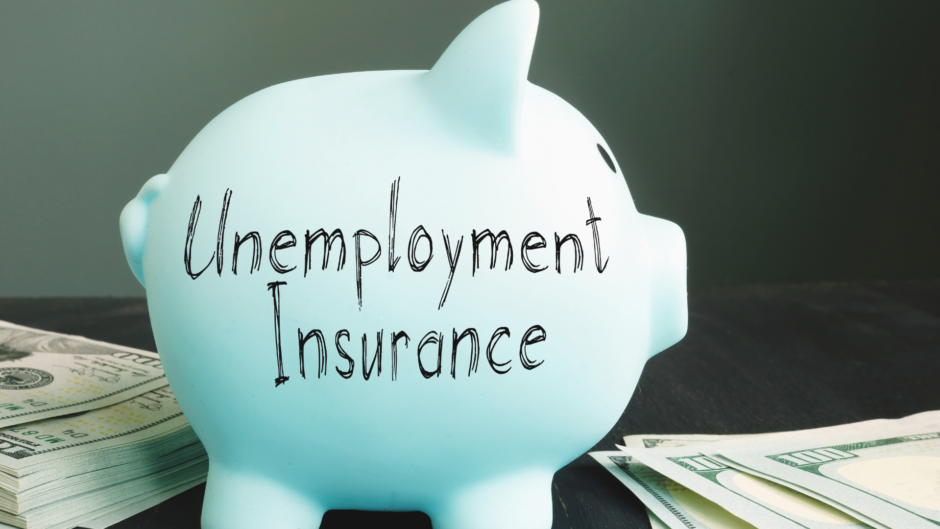
What Businesses Need to Know About Unemployment Insurance: Essential Insights for Employers

Unemployment insurance is an essential safety net for workers, but understanding its implications is crucial for businesses. Companies should recognize that unemployment insurance can influence hiring practices, employee retention, and overall workplace culture. Navigating the complexities of this system can significantly impact a business’s financial health and legal standing.

Employers must be aware of their obligations regarding unemployment insurance premiums and how these can vary by state. It is important to stay informed about the eligibility requirements and the claims process. This knowledge not only aids in compliance but also in making informed decisions about workforce management.

In an ever-changing job market, being proactive regarding unemployment insurance helps protect both the business and its employees. Familiarity with these regulations can lead to better workforce stability and strategic planning during economic shifts. Understanding the nuances of unemployment insurance is not just beneficial; it’s a necessary component of effective business management.

Understanding Unemployment Insurance

Unemployment insurance (UI) is a crucial safety net for workers who lose their jobs. It provides financial support to help individuals during periods of unemployment. Employers must understand the history and key components of UI to navigate their responsibilities effectively.

History and Purpose

The concept of unemployment insurance emerged in the early 20th century. The Social Security Act of 1935 established a federal-state partnership for UI. Its goal was to provide temporary financial assistance to unemployed workers, aiding both individuals and the economy during downturns.

The Federal Unemployment Tax Act (FUTA) was passed to fund state unemployment insurance programs. Each state administers its own unemployment insurance system (SUI) while adhering to federal guidelines, creating a framework for support.

Key Components of UI

Key components of unemployment insurance include eligibility criteria, benefit amounts, and the base period. Eligibility typically requires workers to have a certain work history and to be actively seeking new employment.

Benefit Calculation: Benefits vary by state and are based on previous earnings. States use a base period, usually the first four of the last five completed calendar quarters, to determine entitlement.

Funding Structure: Employers pay federal and state payroll taxes to fund these programs. These taxes support the benefits distribution to eligible individuals, emphasizing the importance of compliance for business operations.

Employer Obligations and Contributions

Employers must fulfill specific obligations regarding unemployment insurance, particularly concerning tax requirements and maintaining accurate records. These responsibilities ensure compliance with federal and state laws while supporting the workforce.

Federal and State Tax Requirements

Under the Federal Unemployment Tax Act (FUTA), employers are required to pay federal payroll taxes to fund unemployment compensation. The current FUTA tax rate is 6% on the first $7,000 of each employee’s wages. However, employers can usually receive a credit of up to 5.4% for state unemployment contributions.

Each state also imposes its own unemployment insurance (SUI) taxes. Rates vary based on the employer’s experience rating and payroll tax base, in addition to state regulations. Employers must register with their state’s employment service and report wages regularly to avoid penalties.

Maintaining Accurate Employee Records

Accurate record-keeping is essential for employers to comply with unemployment insurance regulations. Employers should maintain records of wages paid, employee classifications, and time worked. This ensures accurate tax assessments and claims processing.

Wage records must be updated regularly and documented clearly. Employers should document all hiring, termination, and wage changes promptly. Neglecting to keep precise records can lead to disputes with state agencies and financial repercussions. Regular audits of payroll records can also help identify potential issues before they escalate.

Claims and Benefits Process

Understanding the claims and benefits process is crucial for both employers and employees. This involves filing a claim for unemployment benefits and knowing how the weekly benefit amount is calculated.

Filing a Claim

To receive unemployment benefits, individuals must first file a claim with the appropriate state agency, such as the IDES (Illinois Department of Employment Security). Claimants are required to provide personal information, including their Social Security number and employment history.

Eligibility requirements vary by state, but generally, applicants must have lost their job through no fault of their own and have sufficient work history during a designated base period. Once the claim is submitted, the agency will review the details and determine eligibility.

It’s important for individuals to stay informed about deadlines for filing. Many states allow claims to be filed online, which may expedite processing. Those who prefer direct deposit should ensure their banking information is accurate to facilitate timely benefit payments.

Calculating Weekly Benefit Amount

The weekly benefit amount is determined based on an individual’s earnings during the base period. The base period typically spans the first four of the last five completed calendar quarters before the claim is filed.

To calculate the benefit amount, states commonly use a formula that takes into account the highest earnings within the base period. For example, if a claimant earned $600 per week during their highest earning quarter, they might receive a percentage of that amount. States may have minimum and maximum limits as well, so it’s beneficial for claimants to check their state’s regulations.

In some cases, additional benefits may be accessible for individuals with dependents or those who qualify under specific programs. Understanding these factors can help claimants anticipate their financial support during unemployment.

Special Considerations During Economic Changes

Economic fluctuations create unique challenges for businesses regarding unemployment insurance (UI). The focus shifts to adapting to new legislation and recognizing the impact on various employment types.

Adapting to Legislative Changes

Changes in legislation can significantly affect unemployment insurance requirements. The Social Security Act and subsequent amendments often introduce new provisions, particularly during economic downturns or crises like the COVID-19 pandemic.

Businesses must remain vigilant about updates to federal and state laws that modify eligibility criteria or enhance benefits. For instance, temporary UI expansions may emerge during economic turmoil, influencing how employers approach workforce management.

Staying compliant involves regular communication with legal counsel or HR professionals. This helps businesses navigate the complexities of UI regulations while reducing the risk of penalties.

Impact on Different Employment Types

Different employment classifications face varying implications during economic changes. Independent contractors, for example, often have limited access to traditional UI benefits. Legislation enacted during the COVID-19 pandemic expanded support for these workers, emphasizing the need for businesses to understand their obligations.

Moreover, businesses may experience work stoppages that escalate UI claims. Employers should analyze job roles and industry standards to identify how these factors interact with UI rules.

Maintaining an inclusive approach ensures that all worker categories receive attention during economic changes. This supporting structure not only aids compliance but also fosters a more stable workforce.