
Harrison Evans

The Various Types of Packaging a Shipping Company Will Use

A shipping company is essentially a business that moves goods from one place to another, whether by land, air, or sea. These goods could be headed to businesses, individual consumers, or even retail stores. But beyond just moving stuff around, there’s a whole other side to the business; its dealing with customs laws and paperwork. It is all about making sure everything gets through smoothly and without a hitch.

For instance, in the realm of land shipping, carriers might have to secure bonds related to customs clearance or handling hazardous materials. Likewise, in air shipping, bonds could be required for security reasons or to manage potential liabilities linked to transporting goods. Moreover, when it comes to sea shipping, adherence to regulations like the ISF Bond, which stands for Importer Security Filing may be obligatory, ensuring all necessary customs laws and documentation are in order.

Moving on from the legal aspects, let’s delve into the practical side of things now! So, how does shipping companies package and safeguard their shipments to ensure they reach their destinations intact and on time?

There are many types of packaging that a shipping company will use to protect and deliver their products. If that is your business, then you will find something such as pallet and shrink wrap an invaluable material to use. Anyone in distribution will likely feel the same. We all want our goods to arrive safely.

Some types of packaging that a shipping company will use include:

Boxes

Boxes are the most common type of packaging used by shipping companies. They come in all different sizes and can be made out of different materials such as cardboard, plastic, or metal.

Corrugated cardboard is used for its extra strength. Extra layers of cardboard provide extra protection for the items inside the box and the structure of corrugated cardboard is designed to offer extra protection.

Additionally pallet boxes are also commonly used for their ability to accommodate different loads and logistics requirements, from lightweight collapsible options to heavy-duty stackable models. They are typically made from durable materials like plastic, wood, or metal, offering superior strength and protection for items during transportation and storage.

The advantage of boxes is that they will come in a variety of sizes so that they can effectively house the products they are required to. They can also be easily individually labeled. In terms of shape, you can, for instance, have a deep, square box or a long, rectangular one. We can measure how products will fit perfectly inside a box to avoid movement. Bear in mind that certain products will need internal packaging to stop items from rubbing together and have that cushion around the inside of the box closest to the edge.

Bubble wrap

Bubble wrap is often used to protect fragile items from breaking during shipping.

Where there are just a few layers of bubble wrap around the item, or large bubbles are opted for, an object will practically bounce off the floor when dropped. We do not suggest you try it, but that is the kind of protection we are talking about. It is a great form of protection that is used a lot for sending items through the mail.

Foam

Foam can be used to cushion items and prevent them from moving around too much during shipping. It is a material that can be cut to the shape required.

Polystyrene

Bubble chips, which are made from polystyrene, are a great way to bulk up a box and stop its contents from moving around. They come in different shapes and sizes but perform the same function.

Electronics are often packaged using polystyrene inserts inside boxes.

Pallet Wrap (Stretch or Shrink Wrap)

Pallet wrap is used to secure items to a pallet so that they can be easily moved and stored during shipping.

There are two main types of pallet wrap. The choice for shipping and transportation is to either use a stretch wrap or a shrink wrap. The differences are:

  • Stretch wrap does not require heat to shrink but instead relies on its elasticity to conform around the product.
  • Shrink wrap is a plastic that is heated so that it shrinks around the product.

The advantages of the stretch wrap are that it is less expensive and can be applied faster. The disadvantage is that it does not provide as tight of a seal as shrink wrap. But when it comes to shrink wrap, it provides a stronger hold and tamper-evident seal which can be effective for Shrink Wrapping Furniture, for instance.

Both materials are, of course, weatherproof in that they will protect the product from rainwater and dust.

An advantage of a product that is usually clear is that you can potentially identify through it what is inside a pallet without so much labeling. We can feel assured that our product is okay as we look at it through the clear pallet wrap. This can be at different stages throughout its journey to know at the earliest opportunity if any damage has been sustained.

Plastic Bags

Plastic bags are used to protect items from moisture and dust. They are often used for food items or products that are sensitive to the environment. There are different types of plastic bags. Mylar Bags, for instance, are used by marijuana businesses to store edibles, concentrates, and so on. Similarly, anti-static poly bags are designed to protect electronic components and other static-sensitive items from electrostatic discharge. You want to avoid contamination with certain products, which is why these bags mainly exist.

Wrapping paper

Wrapping paper is often used to dress up packages for special occasions such as birthdays, holidays, or weddings. It is frequently used to protect items from scratches or other damage.

Envelopes

Envelopes are often used to ship smaller items such as documents or cards. They are a good way of keeping things together in the same place.

Shipping companies, distributors, and even individuals moving home or marking special occasions by posting gifts use different types of packaging. What is used will depend on the items they are shipping or sending and the destination of the shipment. It is important to choose the right type of packaging to ensure that products arrive safely at their destination.


Learning How To Benchmark Your Supply Chain Performance

What is the best way to measure the supply chain performance of an organization? The answer depends on where you are starting from, which type of supply chain you are dealing with, and of course, what you are trying to do to improve.

Benchmarking is something that’s been happening since the beginning of time. It’s a process in which someone takes a group of information sources and compares them to determine whether there is any performance improvement. If you run a company, it’s often a way to gauge your performance and where you should focus your efforts. In the supply chain world, benchmarking is a way to determine how efficient your organization is.

Conducting this process can be hugely beneficial as you can find the operations that are not functioning at the required level. In these cases, it could also be a good option to outsource these processes. For instance, if your trucking or transportation processes are not functioning efficiently, it might be a good idea to hire a company that offers General Freight services to ease the process. That said, let’s look into benchmarking a little further.

Here’s how to benchmark your supply chain performance:

Look for possible data sources – where you get the necessary information.

It is a common problem for supply chain managers to experience supply chain problems, and as a result, they do not fully understand the causes of these problems. For example, they may not know the reasons why their suppliers sometimes deliver late, or they may not know why the production floor at their manufacturing facility is sometimes idle. Most companies rely on their internal systems to monitor and evaluate their supply chain performance. This usually starts with some sort of data collection or measurement process but results in a lot of inaccurate data. If you want to find out how your supply chain stacks up with other companies in your industry, you can use the information from your internal systems. Still, you’ll have to dig deeper to find out how the data was collected and how it can be used to benchmark your performance.

Select an area to improve.

If you’re doing the same things over and over without making improvements, you’ll quickly get bored and start looking for new ways to do things. That’s why it’s important to benchmark your performance and identify opportunities for improvement regularly. One of the best ways you could do that is through Strategy Map Visualization, which could enable you to identify what drives business performance by showing you the cause-and-effect relationship between the objectives and outcomes. Once you have assessed and identified areas that require improvement, you should benchmark your business’ supply chain performance. This allows you to understand where your business stands in terms of improving your supply chain performance.

Acquire the data needed.

Benchmarking is the process of capturing and comparing data from a system against a standard. It allows organizations to compare how they are doing compared to how they should be doing, which is often much better. By understanding how they stack up against their competitors, they can make real improvements to their performance.

Set apart potential partners for comparison.

When delving into the intricate process of benchmarking your supply chain performance, a crucial step is discerning the factors that set apart potential partners for an effective comparison. It’s not merely about evaluating suppliers based on cost but also considering their reliability, responsiveness, and overall contribution to your supply chain efficiency. To streamline this selection process, companies can turn to professionals with a proven track record in sourcing and supply chain management such as Uniway Sourcing and similar agents. Leveraging their expertise could aid businesses in identifying and assessing potential partners based on criteria like efficiency, reliability, and cost-effectiveness.

Explain the benchmarking process/range that will be undertaken.

When planning a project, it is important to know where you are starting. We need to know where we are now and where we want to go to benchmark our performance. For example, we want to know where we are when it comes to our performance in several areas, and we want to be at the top or at least close to the top in the performance of these areas. We also want to know what we expect to happen in these areas over time. Benchmarking is a process that measures an organization’s performance against its goals. The purpose is to assess what performance is required for the achievement of intended goals and to define how to improve performance in the future.

A supply chain is an essential part of modern business. With the ever-growing competition among firms, the supply chain has become an area of concern for many companies. Companies must be able to optimize their supply chains to deliver competitive products and services. To improve supply chain performance and increase profits, there is a need to benchmark supply chain performance against industry benchmarks. Supply chain executives are always looking for ways to improve their supply chain performance. By identifying the key drivers of supply chain performance and by benchmarking your own company’s supply chain against your industry peers, you can identify where your performance is lacking and improve your competitive position.

7 Ways To Help Reduce Freight Costs

When should you spend money on a load of goods? This can be a difficult decision as shipping rates can be quite high. While there are some things you can do to reduce freight costs, sometimes it may not be worth the expense.

Here are the seven ways to help reduce freight costs:

Consolidate

You can save money by consolidating your freight to one or two sea and air freight companies Graysons, or one of your preferences. One of the primary benefits of freight consolidation is that it may reduce the number of carriers you use. Another is that it can reduce the number of different types of freight that you ship. While consolidating your freight may cost more initially, it will save you money over the long term.

Fulfillment center strategic location

Transportation costs are a concern for every business. Depending on their size and location, companies have to worry about both the cost of shipping their products from their warehouses to their customers and the cost of transporting their employees to the office. Beyond these two costs, there are other ways to cut freight costs, like managing products from warehouses to customers in the least time or finding ways to ship products more economically to maximize space. Effectively managing transportation expenses is a critical aspect of supply chain and logistics operations. By optimizing shipping routes, consolidating shipments, strategic location selections for warehouses and leveraging freight forwarding services, businesses can significantly reduce freight costs while ensuring timely delivery. Freight forwarding companies offer expertise in negotiating favorable rates, and coordinating multi-modal transportation. This helps them implement efficient logistics strategies, and streamline the entire supply chain process by minimizing associated costs.

Ship to the right address

If you are an eCommerce seller, you already know the importance of shipping your products quickly and efficiently. And if you are a buyer, you need to know that high shipping costs can considerably impact your bottom line. Unfortunately, you may not be getting the full benefit of all that cash you are sending to the post office. Failure to include all of the shipping information, including the carrier, the mode of transportation and the shipping address can cost you dearly.

Run through free shipping and shipping choices for customers

Most customers have a few “go-to” shipping companies when it comes to sending packages, but the truth is, that shipping rates can vary greatly at different times of the year. Customers may be searching for low-cost delivery, or maybe they want the ability to track the progress of the shipment throughout the entire process. Whatever the case, shipping carriers typically offer a range of options to meet the specific needs of their customers. So, business owners need to do thorough research on the Web to find one that offers the most benefits. Who knows, they might find companies like Seaway that are known to offer both lightweight parcels and heavy machinery shipping at an affordable rate.

Purchase discounted shipping supplies

It is your job to find the most effective shipping routes and systems to reduce your freight costs. This is a very important task as you are responsible for your business’s bottom line. When you are a small business, it can be hard to know where to get the best deals. One place to look for shipping supplies is at your local library. With thousands of books on hand, you can find ways to cut freight costs.

Multiple Carriers

To mitigate costs amidst market fluctuations, airlines have been compelled to trim operating expenses. One avenue for cost reduction involves streamlining the number of carriers involved in a shipment. The fewer carriers handling your shipment, the lower the likelihood of delays, damages, or disruptions. While various methods exist to reduce carrier involvement, leveraging a consolidator emerges as a straightforward solution. Consolidators are entities that manage shipments for multiple carriers simultaneously.

Alternatively, you can explore freight options such as less than truckload shipping services to optimize costs. With LTL shipping, you only pay for the space your shipment occupies, rather than booking an entire truck for smaller loads. This approach enables you to maximize efficiency and minimize expenses, particularly if you lack sufficient goods to fill an entire truck. By leveraging LTL shipping services, you can effectively manage your logistics while reducing overhead costs.

Enhance Packaging

Packaging significantly plays a vital role in the success of a product. It can help a product reach its full potential, keeping it competitive against the competition while adding value to the overall customer experience.

Freight costs can sometimes be hard to calculate, especially for smaller businesses. To get an accurate idea of the true cost of your freight, we need to know the details of your operation.

How to Appeal Your Property Tax Assessment

Property Tax Assessment is the process by which a local or state government assesses the value of a real estate property. It means the amount of money that the local government wants to take out of the financial pie, and in return, your personal property tax bill is determined.

A Property Tax Assessment is the part of your yearly property tax bill that goes to the country to cover the cost of services such as schools, roads, and other public services. Property tax is one of the highest costs you will pay as a homeowner. While some do not pay property taxes, most property owners do. Property tax may seem just like your typical monthly utility bill, but in reality, it is a huge tax on the value of your home.

Property taxes are based on the value of your home’s taxable properties. There is no general formula included in your property tax bill, and may have different implications based on the method you have used to finance your home. On one hand, mortgages feature payments made to an escrow account to collect a portion of the monthly tax coverage payments. On the other hand, land contract taxes are made directly to the local government by the buyer. It is also noted that each county has different regulations. Since your property is assessed at the time of purchase, if you do not make any major changes to the property, you may start to notice a steady increase in your property tax bill. By appealing your property tax assessment, you not only enhance your property’s overall financial health but also create opportunities to maximize gains through tax deferral. Navigating this process can be complex, but with the right knowledge and guidance, you can make informed decisions that align with your investment goals. Consult a reputable 1031 Exchange Facilitator to ensure you’re well-equipped to optimize your property’s value and take advantage of tax-saving opportunities in your real estate portfolio.

These assessments are filed annually with county governments. Property tax assessment results are not final until the county either accepts the assessment or challenges it in court. A property tax assessment is different than a tax lien or tax deed, which is the final legal document that a court will issue after a taxpayer is issued for non-payment of the assessed amount of a tax lien or tax deed.

Appealing for the Property Tax Assessment

If you’re like most people, you’ve probably been paying taxes for the past 30 or 40 years of your life. And, you know what? You’ve paid for the schools, for the roads, and for a whole lot of other things that you’ll never see. But, what you might not know is that you can appeal your property tax assessment.

If you are seeking a larger refund from your local tax assessor, the first thing you should consider is whether the assessment is accurate. You can appeal the assessment on your own by filing an appeal statement. Within 30 days, you will receive a notice of either your assessment being upheld or your assessment being reduced. When your assessment is reduced, you can then file an appeal with the Assessor’s Office.

Helpful Tips When Appealing for Property Tax Assessment

Homeowners are more than willing to pay for property taxes, but when the tax assessor’s staff gives a devious assessment, and as the homeowner who does not have the resources to pay their tax bill and the taxes go up, you must know some tips on how to appeal the property tax properly and efficiently.

Here are the following tips:
  • Work on your appeal online first. In order to appeal your property tax assessment, you need to contact your local assessment office, send them the appropriate paperwork, and request an appeal hearing. This is a fairly straightforward process, so you can try appealing your property tax assessment by visiting the state website.
  • Find a good lawyer. If you fall within the margins of your property tax assessment and want to appeal it, you may need to find a good real estate lawyer calgary (or wherever you live) for handling the case.
  • Check on the document that was sent to you. When submitting an appeal, you should always start by researching the property tax assessment notice that was sent to you. This can help you find errors in the amount and/or assessment of your property, as well as whether there are any special circumstances that may affect the property tax assessment.
  • You need to provide data that the assessing authority may not have.

The idea behind property taxes is that it is necessary to pay for the upkeep of your community’s roads, schools, and other infrastructure. There are ways to appeal your property tax assessment, but it is difficult for the assessor to know exactly what it is you are trying to appeal. Often, it is only in the very rarest of circumstances that an assessor will have to deal with an appeal of this magnitude, but even if this is the case, there is no guarantee that you will get the full amount back.

The Insurance Options for the Motor Trade

The motor trade is a complex and ever-changing industry, with new products and services being introduced all the time. It can be difficult for motor traders to keep up with the latest developments, let alone find the time to shop around for the best insurance deal. That’s where motor trader insurance comes in. This policy is designed specifically for businesses in the motor trade and offers a range of benefits that are not available from other stand-alone types of insurance.

In case you are wondering where you might obtain your motor trader insurance, there are providers online that we have found. You can, with one sure, obtain a competitive premium while still finding a policy that is ideally suited to your business’s needs.


Tailoring an Insurance to Meet Needs

Motor trader insurance policies can be tailored to the specific needs of your business, and can cover a wide range of risks including public and employers’ liability, stock, tools and equipment, premises, and contents. In addition, motor trader insurance can also provide cover for motor vehicles used for business purposes.


Different Types of Motor Trader Policies

There are several different types of motor trader insurance available, so it’s important to choose the right policy for your business.

The most common type of motor trader insurance is road risk only cover, which covers you for any damage that you may cause to other vehicles while driving on the road. This type of cover is typically used by businesses that deal with buying and selling vehicles, as well as those that offer motor trade services such as repairs and maintenance.

If your business involves working from premises, perhaps selling cars or repairing them, then you will need to take out a motor trader policy that includes premises cover. This type of insurance covers the costs of repairing or replacing any damage that is caused to your premises, as well as any contents that are stored there.

If you employ staff, then you will require motor trader insurance that includes employers’ liability cover. This will protect a business and its owners against any claims made by employees who are injured or become ill as a result of working for the business.

There are also several other types of motor trade insurance available, such as product liability cover and motor trade legal expenses cover. These are something to discuss with a broker, online, or down the high street.


Benefits of Motor Trader Insurance

Several benefits come with having motor trader insurance in place. Perhaps the most important benefit is that it provides you with financial protection against any claims that may be made against your business. If you were to be sued by an employee or customer, for example, motor trader insurance would cover the costs of your legal defence.

Another benefit of motor trade insurance is that it can help to protect your business from the financial consequences of any damage that is caused to your premises or contents. If your business premises were to be damaged by fire, for example, you would be covered for repairs or replacement.

Finally, motor trade insurance can also offer protection against the loss of motor trade stock or equipment. If your stock was to be damaged or stolen, insurance specifically designed for the motor trade would cover the cost of its loss.


Motor trader insurance is an essential form of insurance for businesses in the motor trade industry. It provides financial protection against a range of risks, including liability, premises, stock, and motor vehicles. There are several different types of motor trade insurance available, so it’s important to choose the right policy for your business so that you receive the kind of insurance protection that you need.

The Importance of Staying Up to Date With the Latest Software Developments

Utilizing the right software can assist business owners in streamlining operations, optimizing efficiency, and making data-driven decisions that drive their company’s growth and success. Moreover, it can foster collaboration among team members, enhance customer satisfaction through improved service delivery, and provide valuable insights for staying ahead of market trends and competitors. Depending on the industry, various software solutions exist to cater to specific needs, whether it’s project management, customer relationship management, inventory management, or financial tracking.

For instance, tour and rental booking management software, such as those offered by firms like Indexic (https://www.indexic.net/), can significantly enhance the booking process for tour operators. It enables them to efficiently manage reservations, track availability, and streamline communication with customers. Similarly, inventory management software can assist warehouses in optimizing stock levels, tracking inventory movements in real-time, and automating reordering processes based on demand fluctuations, thereby minimizing stockouts and overstock situations.

That being said, keep in mind that it is more important than ever for businesses to keep up with the latest software developments. A recent study found that companies who do not update their software are at a significant disadvantage compared to those who do.

The study also found that outdated software can lead to decreased productivity, data loss, and even security breaches.

Businesses who use new and improved software from companies such as Profit and others of a similar nature, are able to help grow their business and thrive within their sector.

In today’s world, software is incredibly important as it can help employees and employers reach goals and set standards that match their overall plan, which in turn will diminish the possibility of issues and incidents within the workforce.

So, why is it so crucial for businesses to stay up to date with the latest software developments? Here are just a few of the reasons:

New features

Staying up to date allows businesses to take advantage of the new features and functionality that software provides. This can help them become more efficient, productive, and even save them money in the long run.

These types of features can be incredibly important for a business that works a lot online and needs to make sure that they are catering to their customer’s and client’s needs as quickly as possible.

To illustrate, consider the construction business. Taking advantage of software solutions like integrated construction management can foster better team connectivity and enhance overall productivity.

Furthermore, specialized software for resource management and logistics plays a crucial role in optimizing construction operations. One key area where this is evident is in materials handling and tracking. Weighbridge systems integrated with management software create digital dockets that accurately record the weight and type of materials entering or leaving a construction site. This weighbridge docket, generated automatically when trucks pass over the scales, can provide real-time data on material quantities, helping project managers maintain precise inventory control and streamline supply chain processes.

Similarly, for a retail business, investing in quality CRM software can streamline customer interactions, improve inventory management, and enhance overall operational efficiency.

That said, if a software modernization is on your list, it might be a good idea to hire a team of experts to help your business with custom software in ohio (or elsewhere). A team of professionals conducts thorough assessment of the existing systems to identify weaknesses, blockages, security risks, and other user requirements. This is followed by extensive testing and quality assurance that helps finalise a broad modernization strategy.

All in all, it’s crucial to remember that embracing tailored software solutions for specific industries can significantly optimize processes, enabling businesses to stay competitive and deliver exceptional services.

Security issues

Updating software helps protect businesses from security threats. Hackers are always looking for vulnerabilities in outdated software, so by keeping your software updated you are making it much harder for them to penetrate your systems.

No matter the size of a business, they need strong security measures in place. If they are handling important things such as customer data and files on employees, for example, then these can be exposed to hackers.

With updated and secure software, these issues can be reduced significantly because the system will be harder to get into and data can remain safe and secure for everyone.

It is also important to note, that if a system is hacked and anything is leaked, this can cause serious harm to a business’s reputation, and may have them losing their customers as well as face losing the business, especially if it is a substantial hack that has exposed serious and detrimental data.

Compatibility

Outdated software can cause compatibility issues with other applications and systems your business uses. This can lead to data loss or corruption, which can be very costly and time-consuming to fix.

If there are only updates of certain systems at different times, then this is not going to help a business work efficiently. If an update is needed, it is worth it to see what else needs updating and if it will be able to still remain compatible with the other software already there.

Once this has been looked at, they can make a decision about keeping what they already have or updating the entire system to make it all work well together with minimal issues.

The bottom line is that businesses need to stay up to date with the latest software developments in order to stay competitive and protect their data. Fortunately, this does not have to be a daunting task.

There are many resources available to help businesses keep up with the latest news and updates, including online forums, blogs, and even newsletters. By taking advantage of these resources, you can make sure your business is always using the best software.

The Images That Become Problematic for a Business

Images play a huge role in the online world. An image can say a lot about an individual or an organization. For businesses, it’s crucial to be vigilant about the pictures they use – and more importantly, the ones they don’t use. Because one problematic photograph can cause irreparable damage to a company’s reputation.

All is not completely lost because there are solutions out there for dealing with inappropriate photos that end up online and threaten a business’s hard-earned reputation. For instance, the google image removal tool. This is something we shall discuss a little more later in this article. In the meantime, let’s think more about the images themselves that are so damaging because of their very existence.

Examples of Problematic Images

Just think about all of the avoidable embarrassments that have been caused by problematic images in recent years: United Airlines dragging a passenger off their plane, Kendall Jenner’s Pepsi commercial, and Abercrombie & Fitch using plus-size models in an ad campaign.

Even more recently, celebrities such as Justin Bieber and Tiger Woods have had their mugshots blasted across the news, creating an even bigger mess for them to clean up. The list goes on and on. As a result of these controversies, however, mugshot removal services seem to have become popular, as individuals and companies alike are increasingly trying to erase negative images from the web. The same can be said for an embarrassing image circulating freely on the web – it can be taken down, in a way helping restore the image of a celebrity or a public figure.

Given these examples, it is more than evident that there are, of course, regrets with photos that have ended up online. Sometimes the damage can be measured more easily than in other cases. For a business, sales figures may be at an all-time low after a detrimental post. All may not be lost if not everyone has seen the post containing the offending image, and there is a way to deal with it, as mentioned. The quicker this can happen, the better.

The Consequences

Businesses need to be aware of the potential consequences of using problematic images or giving others easy access to them and take steps to remove them from their systems and social media as quickly as possible. Because once an image is out there, it’s almost impossible to take it back.

Embarrassing or libelous images can cause businesses all sorts of problems, from reputational damage to legal troubles. So it’s crucial to be vigilant about the images that are posted publically. It only takes one problematic image to cause irreparable damage to a company’s reputation. It may be so bad that a company has no choice but to change its name. Except that it will have spent a significant amount of money on building up that reputation in the first place. Goodwill, an intangible asset, is as much an asset as the tangible vehicles or equipment a company owns that help it to operate.

Solutions

The best way to deal with images that show a company at its worst is to not allow them anywhere near social media. Preferably to remove them from anywhere they can be used for another’s gain. It is, of course, rather like shutting the stable door after the horse has bolted to only think of the consequences once they are live on the internet when they should never have been posted there in the first place. However, we all make mistakes. Thankfully, there are ways to put things right.

We could look towards contacting a company to help us remove images that have become a problem to our business’s reputation and branding image. Google is helpful too when it comes to the image removal tool that it offers. Just check out a few blogs online to learn how to remove photos from Google and you will be good to go. Be aware, though, that it only breaks links to images and that your photo will still be in existence. In any case, it would be extremely difficult or less likely to be accessed, providing much peace of mind.

A large company’s legal department will be concerned with any photographs that are potentially libelous or that breach any kind of copyright laws. They will, like the company’s bosses, want these kinds of images or photos removed as soon as possible.

In short, images can be problematic for businesses in several ways. Perhaps an image has been stolen and used without permission, or maybe there is an embarrassing photo from a company party that was posted online. Whatever the case may be, businesses need to have a plan in place for dealing with problematic images. This includes having protocols for quickly removing images from all online platforms, as well as procedures for preventing such images from being uploaded in the first place. By taking these measures, businesses can help protect their reputations and avoid any avoidable embarrassments.

5 Ways to Make Your Supply Chain More Sustainable

The supply chain links the producers of a product to the purchasing customers. It acts like a giant sponge, absorbing the inputs of raw materials, energy, and water and converting them into final products for sale. As the demands for raw materials, energy, water, and time change, so does the system’s ability to meet these demands.

Here are five ways to make your supply chain more sustainable:

Establishing sustainability targets in the procurement process.

The involvement of supply chain professionals in the procurement process is inherently tied to sustainability. It has long been a fact that purchasing decisions are made with a view toward the long haul. This is usually done to protect the company’s brand and to ensure that the products are procured at the lowest possible cost.

Sustainability in the procurement process is a hot topic these days. These days with many companies (like greenstone, for example) advocating them through their products and services, you are probably familiar with the concept and have been doing your best to ensure that your supply chain provides you with the type of products you need in the most sustainable manner possible.

However, the complexity and diversity of today’s supply chains make this a challenge. Successful supply chain management depends on carefully managing supply chains, which can involve multiple types of procurement players and actors and multiple types of relationships.

Monitor business operations in terms of sustainability

To revolutionize your supply chain and embrace sustainability, it would make sense to consult environmental intelligence companies. These innovative solutions provide industries with real-time insights into their environmental impact, fostering a proactive approach towards sustainability. By incorporating cutting-edge technologies, you can track and manage key environmental metrics, ensuring a more eco-friendly and responsible supply chain. Companies like Envirosuite tend to offer advanced tools that monitor air and water quality, enabling you to make informed decisions that can minimize your ecological footprint. Embracing such environmental intelligence not only enhances your corporate social responsibility but also positions your business at the forefront of sustainable practices.

Control data to have informed decisions.

“Data is the life of the Supply Chain. It’s how you know where you are in the business cycle, how you manage the risks and rewards, how you adapt your business to changing trends and the market, how you find efficiencies and how you can respond to crises. It’s the heart of Operations.” Not only the average consumer wants to do their part to make the environment more sustainable, but now businesses are embracing the green economy and taking steps to help reduce their carbon footprint. Many are finding that sustainability can be a competitive edge and a source of new revenue opportunities. The key to sustainability is to develop a supply chain that is more efficient, improves customer satisfaction, and reduces risk. To take care of these needs, many companies are delegating supply chain management to third party logistics companies like Shape Fulfilment (and other similar services) to better manage the operations and ensure a supply chain that is efficient, organized, and low-risk.

Make use of software in data analysis and automate processes.

One of the most important areas for automation is the supply chain. Automation removes manual duties from the process and replaces them with computerized tasks. Calculations are performed using computerized systems, which also boost production and record and regulate the entire process. Automation is assisting businesses and other industries in becoming more efficient and lucrative. The software automates your procedures and has a big influence on logistics and supply chain management. Likewise, even hospitals are not immune to the automation trend. Several healthcare organizations employ Revenue Cycle Management financial processes, such as medical billing software, to track patient care events from registration and appointment scheduling to the final payment of a debt.

Baseline supplier performance regulation.

The industry is struggling to find sustainable supply chain solutions that are economically viable, environmentally friendly, and socially responsible. The industry must take a more holistic approach to manage its supply chains to avoid the negative consequences of poor system design and its wider implications of poor performance. Supply chain problems range from poor system design, poor communication, and waste to loss of origin.

Supply chain management is the basic business activity of managing the flow of goods from the point where they are produced to the final destination where they are consumed. It is a process that involves ensuring that the goods reach their destination safely and in the right quantity, with no loss or damage.

Supply chains are fragile systems that are vulnerable to shocks and disruptions, from natural disasters or terrorist acts to supplier restlessness or other problems like fraudulent behavior. Supply chains are often made up of many parts, each with its value and importance to the whole. (Some supply chains are even made up of a whole bunch of smaller chains!) When one part of the chain does not perform as planned, the whole chain can be impaired.

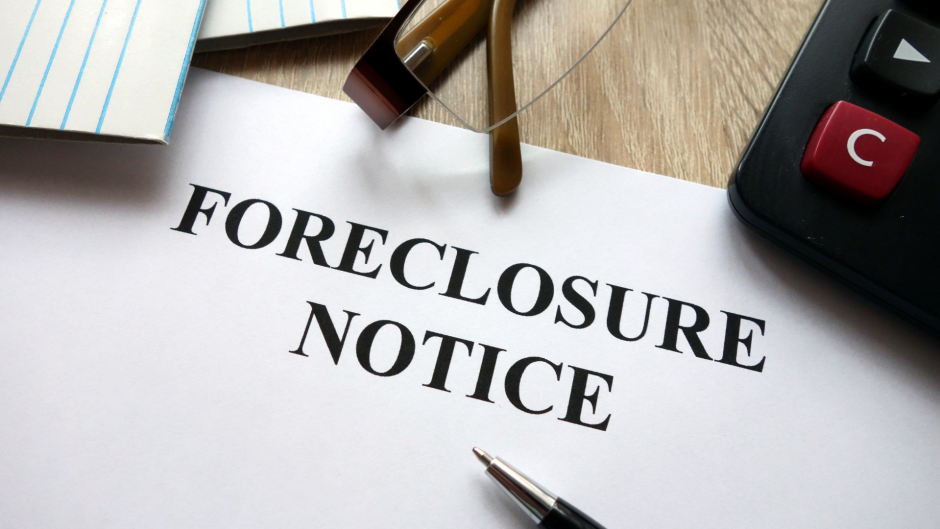
What Does It Mean to Go into Foreclosure?

Foreclosure is a legal process that has come to be used as a way to force homeowners to move, so they can vacate their current houses. This can be a distressing experience for many homeowners, especially if they are not prepared to relocate. Foreclosure happens when there are no suitable properties to buy that are affordable, and the bank has foreclosed the home. It can be considered a legal process used to put a person in control of a home and collect unpaid real estate taxes and back mortgage payments. There are many ways that a person can get into foreclosure and the lenders may be concerned that the home is worth less than they have loaned on the property.

What happens to a property that is for a foreclosure?

The term “foreclosure” is used by banks and lenders to describe their process of evicting the mortgage holder (or the servicer) of a defaulted mortgage loan. Once the mortgage holder is evicted (sometimes called a “deficiency judgment”), the bank or lender can sell the property at a public auction, though it is more common for the bank or lender to simply shovel the mortgage and related paperwork into a garbage truck and wait for the property to be sold at a public auction.

Stages of Foreclosure

Default Payment

The default payment for a mortgage is known as “interest only” or “amortization”, and it means you are still making payments because you are still paying for the house, but only the interest portion of the loan. You are still responsible for everything from the very beginning, but the lender cannot take any money from your profits. In the beginning, you pay a small amount of interest, usually around 2% to 5% per year. After a while, you have no interest on your loan at all, which means you are still paying the loan itself. You need to make these payments forever, which is why you call it “foreclosure.”

Default Notice

The process of foreclosure is a complicated one. It begins with a default notice, which is a letter that is sent to the mortgage holder of the property, informing them that the mortgage is in default and giving them 30 days to contact the bank and begin the foreclosure process. If this doesn’t go through, the bank can go to court and begin the process of foreclosing.

Trustee’s Sale Notice

One of the first steps in this process is filing a Notice of Trustee Sale. This is a document that is filed in the local court in the county where the property is located,

listing the property’s owner, the amount owed, and a deadline for the defaulting party to either cure the default or have the property sold at the trustee’s discretion.

Sale of Trustees

One significant event in the life of a property is the sale of the trustees for that asset. The trustees are in charge of looking after the property, making a profit when selling it to investors like https://webuyhousesinatlanta.com/woodstock/, and peeking after any money that is left over after the sale of the property (also known as “banking”). In this instance, a 10% commission on the sale proceeds will go to the trustees.

Real Estate Owned (REO)

When a bank forecloses on a house, it typically takes about a month before the bank makes an attempt to sell the home. This gives the bank time to perform a few essential tasks. They will first contact the owner of the house and request payment of a certain amount of money to avoid foreclosure. If they are unable to reach the owner, they might seek assistance from companies like Bond Rees LTD to trace the owner. However, in the event that the owner refuses to pay even after being contacted, they will have to reimburse the amount of money that they have already paid, along with penalties and interest on top of it. Once this occurs, the bank will initiate the foreclosure process, which entails contacting the sheriff to have the house seized.

Eviction

It’s not uncommon for homeowners to have to move out of their homes when they fall behind on their mortgage payments. The process can be stressful and distressing, not to mention, complicated for the members living in the house. It may make the homeowners want to fight to keep their homes, and contact companies similar to Florida Homeowner Solutions in their location to help them out of foreclosure. In some cases, they can get to stay put in their house. However, when the home is lost to foreclosure, the process can be more complicated than just packing up the family and leaving the house.

Going into foreclosure can be a distressing experience, as it means losing your home and drastically altering your life circumstances. However, there are strategies to mitigate the damage and work towards regaining financial stability. One viable option is to consider selling your house in its current condition. It can help you settle your debts with the proceeds from the sale, preventing a complete loss of your investment. Additionally, it can spare you from the lengthy and often expensive foreclosure process. To improve your chances of selling a foreclosed property, it’s essential to find companies, like the ones that advertise their services with catch phrases like “sell my house fast” or “we buy houses fast.” Companies like these can guide you through the process, help determine a fair market price, and assist in finding potential buyers. While losing your home is undoubtedly challenging, proactively exploring options like selling it off can be a crucial step towards rebuilding your financial future.

In conclusion, foreclosure is indeed a stressful and complex legal process that can have significant implications for homeowners and their properties. It is a mechanism used by banks and lenders to recoup unpaid debts when homeowners are unable to meet their mortgage obligations. Throughout this process, there are several stages, from the initial default notice to the eventual eviction of the homeowner. The impact of foreclosure extends beyond financial loss, often taking a toll on the emotional well-being of individuals and families facing displacement from their homes.

Moreover, it is crucial for homeowners to seek assistance and explore alternative options such as loan modifications or working with foreclosure prevention services to potentially avoid this challenging situation. While foreclosure can be a last resort for lenders, they are often willing to work with borrowers to find a mutually beneficial solution. Ultimately, understanding the foreclosure process, seeking professional guidance, and taking proactive steps can help homeowners navigate this difficult journey and, in some cases, preserve their homes.

Designing Your Warehouse for Maximum Efficiency

What is a warehouse?

The term warehouse is used to describe a building or an area where raw materials are kept to be processed into finished products. Warehouses are normally made from steel and are considered by many to be one of the main types of metal buildings out there in the world.

In most cases, the size of a warehouse is determined by the number of raw materials stored and the specific product demands. Therefore, it is essential to consider these aspects during the design process. For the designing and the construction of the warehouse, it is advised to engage an expert warehouse construction company that can ensure the necessary requirements are incorporated, resulting in a highly efficient warehouse. However, if the warehouse is already built, the following tips can help maximize its output:

Here are some tips on designing a warehouse for maximum efficiency:

Arrange Storage Area.

If you’re tired of wasting time looking for your lost keys, your wi-fi password, or the USB cable you need for your laptop, there’s a better way: enter the world of digital storage. Built into your computer is a storage space, a hard drive if you will, which you can use to hold your files. As for physical items such as business products, you may have a warehouse. So far, you’ve been using this easily accessible space to store all sorts of stuff, but you may not be using it to its fullest potential. Creating a designated storage area in your warehouse can help you sort all the items according to the type, which can benefit you in maintaining proper logistics of the products available there. Moreover, with the help of vertical storage in the warehouse, which you can access through a hand winch lift, you can improve storage efficiency.

Separate Picking Area.

If you are looking to ship different items to different locations, then you will want to avoid crowding them into the same container. It may seem easy just to put everything in one cardboard box, but this will result in wasted time and money, not to mention the unnecessary potential for damage and loss. With a picking area, you can separate the different types of shipments into different containers and then move the containers to the correct locations as they are needed. This can be very psychologically beneficial to your warehouse staff, who will have a much easier time sorting each shipment if they know that they are only sorting one type of load each time they go to the picking area.

Loading and Unloading Area Space Out

The idea of having a loading and unloading area (LOS) is becoming more and more popular. With the increase in space requirements, it is always a good idea to understand what is required to have a successful LOS. This idea is about maximizing the space in your warehouse while minimizing the manual effort required to get the job done. For this, you would need high-quality equipment like Vibratory Conveyor Machinery to reduce the travel time during loading and unloading, along with forklifts and storage spaces for efficient object retrieval. Furthermore, maximizing space is not a new concept. It is one of the most basic concepts of warehouse management. When inventory is well managed, the right amount of capacity is used. But very few warehouses are designed to maximize the space in their facilities.

Set Apart the Reception Area.

If you are new to the warehousing industry, you may not be aware that the room that holds all incoming and outgoing shipments is known as the “Reception Area.” It is the area where the company’s staff can receive shipments, sort them, and prepare them for shipment. It’s a good idea to have a dedicated space, separate from the reception area, where visitors can sit while they wait. This area can be used as a waiting room, a reception area, or even just a place to relax. It’s important to get this right and do it right; you’ll need to plan.

Rearrange the Shipping and Packing Area.

For any business that ships anything, there are certain things that every company’s shipping department must pay close attention to. For instance, the area must be clean, organized, and able to accommodate any number of people. But, companies should also pay attention to the layout of their packing areas since this will make a big difference in how the process will run. We’ve all seen the pictures of people packing boxes in tiny spaces while standing on boxes, which is not ideal. If you are in charge of shipping and packing your goods, stress the importance of rearranging your packing and shipping area and how it will make your company more efficient.

One of the biggest challenges that businesses face is keeping their logistics costs under control. This is partly because of the constant change in the way that goods are transported and distributed. However, the biggest challenge for many companies is trying to determine the most efficient way to transport their wares.

It can be easy to overlook the subtle process of designing your warehouse. Take some time to plan your design and think about the components you need to ensure your business runs efficiently.