
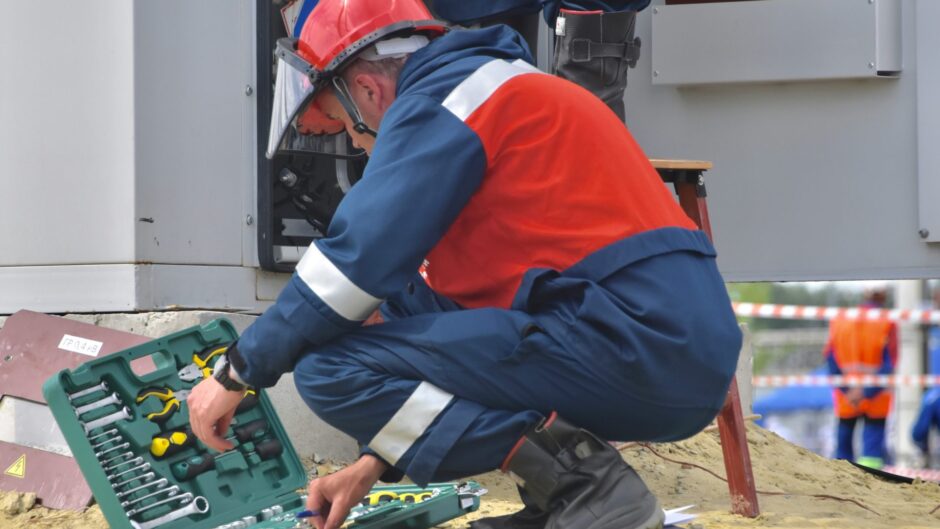
If you’ve ever been somewhere and the power suddenly went out, you probably noticed how fast everything changes. Lights shut off. Computers stop. Machines freeze. At home, it might just be an inconvenience. But in places like schools, stores, factories, or offices, it can cause real problems—and sometimes, it can even be dangerous.
That’s when it’s important to call someone who knows exactly what to do: an emergency electrician.
When Something Goes Wrong With Power
Power outages can happen for lots of reasons. A storm might knock down power lines. A circuit might overload from using too many devices at once. Or there could be a problem inside the building, like damaged wires or a faulty switchboard.
When that happens, it’s not always safe—or smart—to try fixing it yourself. Electricity can be dangerous if it’s handled the wrong way. That’s why emergency electricians are trained to find the problem quickly and safely. Their job is to respond right away when something serious happens and restore power without making things worse.
Emergency electricians don’t just fix power issues. They figure out what caused the problem and stop it from happening again. That includes checking the switchboards, outlets, wires, and anything else that might be involved.
Why Quick Action Really Matters
Waiting during a blackout might seem harmless at first, but it can lead to bigger problems. Some buildings rely on power to stay secure and safe. For example, if an office’s security systems stop working, or a factory loses control of its machines, that can cause damage or put people at risk.
Even in smaller places, losing power can mean:
- Food in refrigerators spoiling
- Internet or communication systems going offline
- Heating or cooling systems shutting down in extreme weather
- Electronic tools or equipment breaking mid-use
That’s why emergency electricians are available to respond as soon as they’re called. If you’re ever in a situation where power cuts out and there’s no clear reason, it’s much better to call a professional than to wait and hope the issue goes away.
And if you’re looking for someone reliable to handle these types of situations, finding an experienced emergency electrician sydney is a smart choice—they’re trained to act fast and safely in high-pressure situations.
What Counts as an Electrical Emergency?
Not every power issue is an emergency. But there are clear signs that something needs attention right away. Here are a few examples:
- A burning smell coming from outlets or walls
- Lights that flicker all at once or won’t turn on at all
- Sparks or smoke coming from wires or plugs
- Circuit breakers that keep tripping
- Power going out during a storm and not returning quickly
- Someone getting a small electric shock from touching a device
These are all signs that there could be something wrong with the electrical system. Even if it seems small, it’s better to get help before it turns into something more serious.
What Emergency Electricians Bring to the Job
Emergency electricians have special training and equipment that helps them find problems fast. They use testing tools to figure out exactly where a fault is, even if it’s hidden behind walls or underground.
They also know how to work under pressure. In some cases, they’re fixing systems in the dark or dealing with water damage or broken equipment. That takes focus, skill, and experience.
Unlike regular electricians who usually work on scheduled projects like installing new lights or wiring, emergency electricians respond to problems that need attention immediately. Their goal is to get things working again safely and quickly.
Steps to Stay Safe While Waiting for Help
If there’s an electrical problem and you’re waiting for an electrician to arrive, there are a few important things you can do to stay safe:
- Don’t touch any wires, plugs, or electrical panels.
- Keep everyone away from areas that smell like something is burning or show signs of damage.
- If it’s safe to do so, turn off the main power switch to prevent further issues.
- Unplug any important electronics to protect them in case the power comes back suddenly.
Also, it’s a good idea to keep a flashlight and a list of emergency contacts in an easy-to-find place. That way, you’re prepared if something goes wrong.
Why Businesses Always Need a Backup Plan
In places like schools, offices, or factories, having a backup plan for power outages is important. People rely on electricity to do their jobs, stay safe, and keep systems running.
Many workplaces already have an emergency electrician’s contact saved. That way, if something does go wrong, there’s no confusion about what to do next.
Some even set up service agreements with electricians, so they can get faster help during emergencies. That can make a big difference when time really matters—especially if machines, lighting, or safety systems are involved.
What Makes Emergency Electricians Different
What sets emergency electricians apart isn’t just their training—it’s how they respond when things go wrong. They’re used to solving complex problems quickly and calmly, even when the situation is stressful.
They’ve worked in all kinds of places: factories with heavy equipment, apartment buildings with damaged circuits, and offices where power needs to come back fast. They know what to look for, and they fix problems without putting anyone at risk.
It’s not just about flipping a switch or replacing a wire—it’s about understanding how electrical systems work and making sure everything is safe before the power gets turned back on.
Final Thoughts
Losing power can be more than just annoying—it can stop businesses from running, put people in danger, and damage expensive equipment. That’s why emergency electricians play such an important role.
They’re trained to respond quickly, fix problems safely, and make sure power is restored the right way. If you ever find yourself in a situation where something electrical goes wrong and you’re not sure what to do, calling an emergency electrician should always be the first step.
Even if the problem seems small, it’s always safer to ask an expert. Electricity isn’t something to take chances with—and having the right help can make all the difference.